A ten-part history · The Sunday Guardian
Kashmir and Ladakh
23 August 2020 to 25 October 2020
Ten articles printed weekly in The Sunday Guardian from August to October 2020. The series starts with the insurgency of the 1990s. It then goes back through the Dogra maharajas, the Sikh Empire and the British to the early history of the Valley and Ladakh. All ten parts are here in full, with the original photographs, the readers’ letters and the PDFs.
-
 Part I23 August 2020
Nights Without End
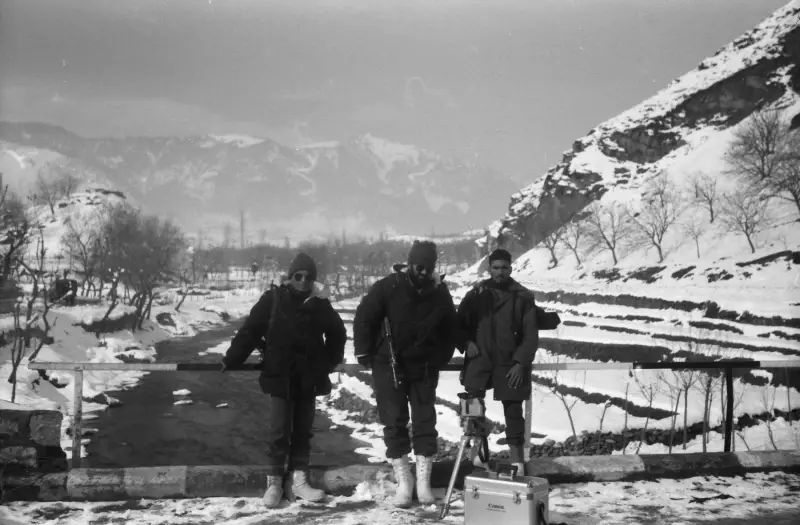
Four Days with the Hizbul Mujahideen
At the Lal Bahadur Shastri National Academy for Administration in Mussoorie, my film Kashmir: Baramula to Kargil was being screened on the very day the Government of India decided to nullify Article 370 and reconstitute the state of Jammu and Kashmir into two union territories.
-
 Part II30 August 2020
The Heaven Born
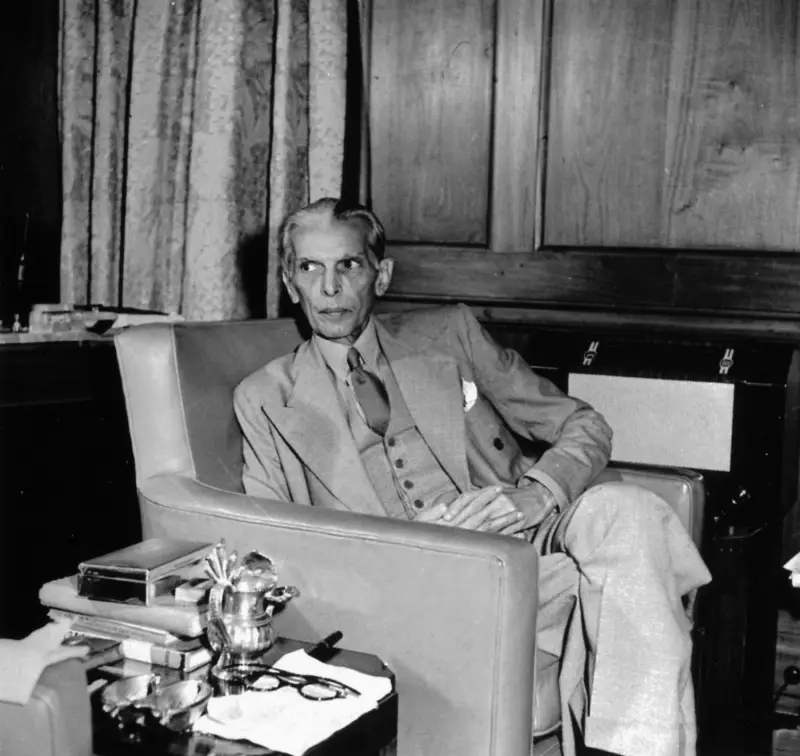
The Men Who Ruled Kashmir
There is a road that runs from Roing to Anini in Arunachal Pradesh that goes over the Mayudia pass.
-
 Part III6 September 2020
Puppeteers without Strings
The Pied-pipers of Hate
One of the questions that seems to haunt Indian academics and intellectuals in particular, to say nothing of the 1.3 billion multitude, is the identity of India itself.
-
 Part IV13 September 2020
Dining at the High Table
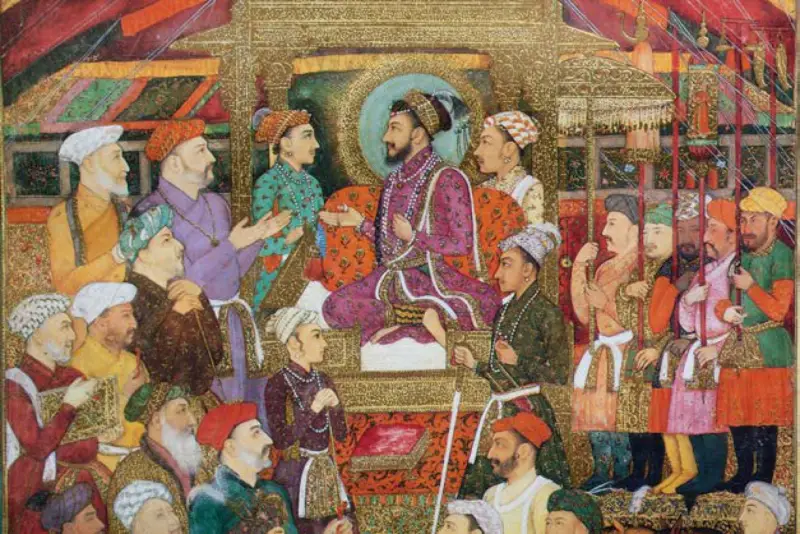
The Early Military History of Kashmir
Time and again one hears the lament that Kashmir somehow evolved as an isolated entity, and hence it must be treated as a special, stand-alone case.
-
 Part V20 September 2020
The Master Minds
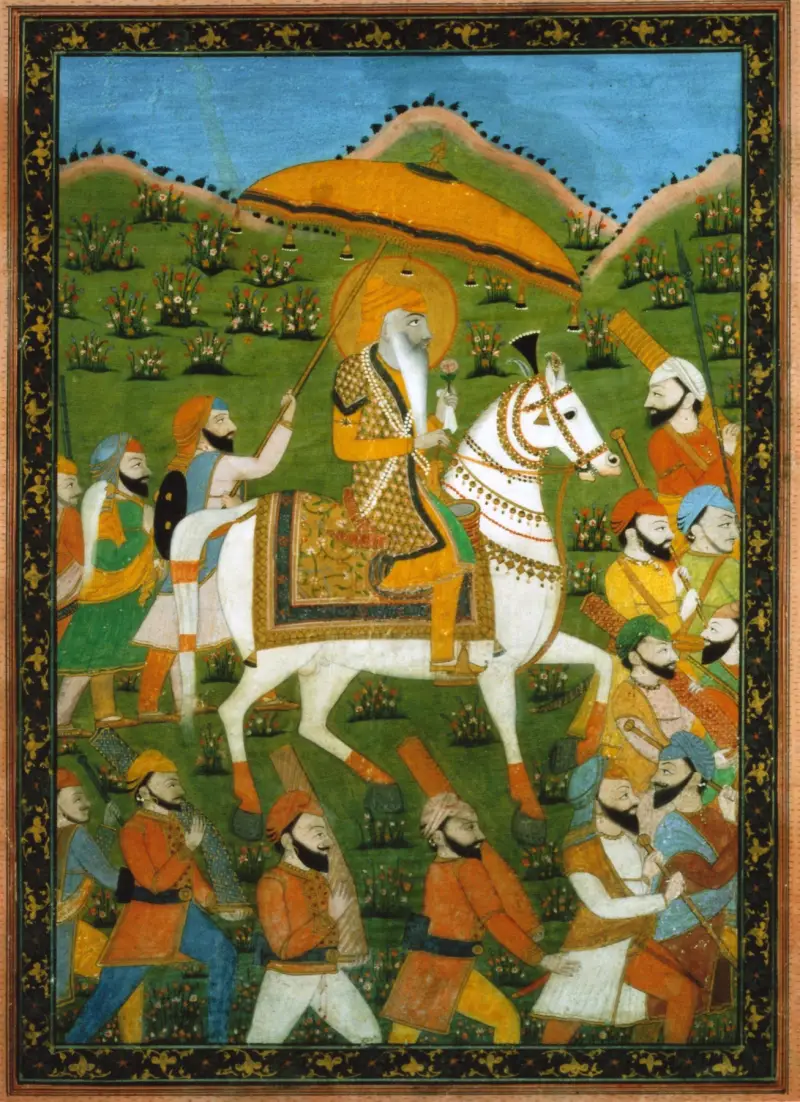
Gulab Singh and the ‘Haramzadas’
After having signed a Treaty of Friendship with the British in 1809, Maharaja Ranjit Singh had bought time in an effort to keep the fast growing British Empire at bay.
-
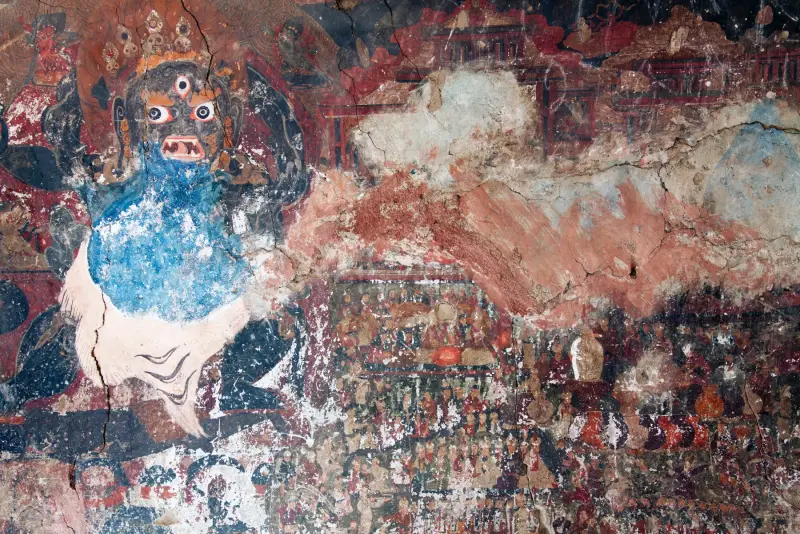 Part VI27 September 2020
Stones of Silence
Ladakh and Beyond
The Kiang, or the Tibetan Wild Ass (Equus kiang) whose small herds inhabit the area around Chushul and the Spangur Gap, shows a lot more common sense than the Chinese premier, Xi Jinping when it comes to identifying borders.
-
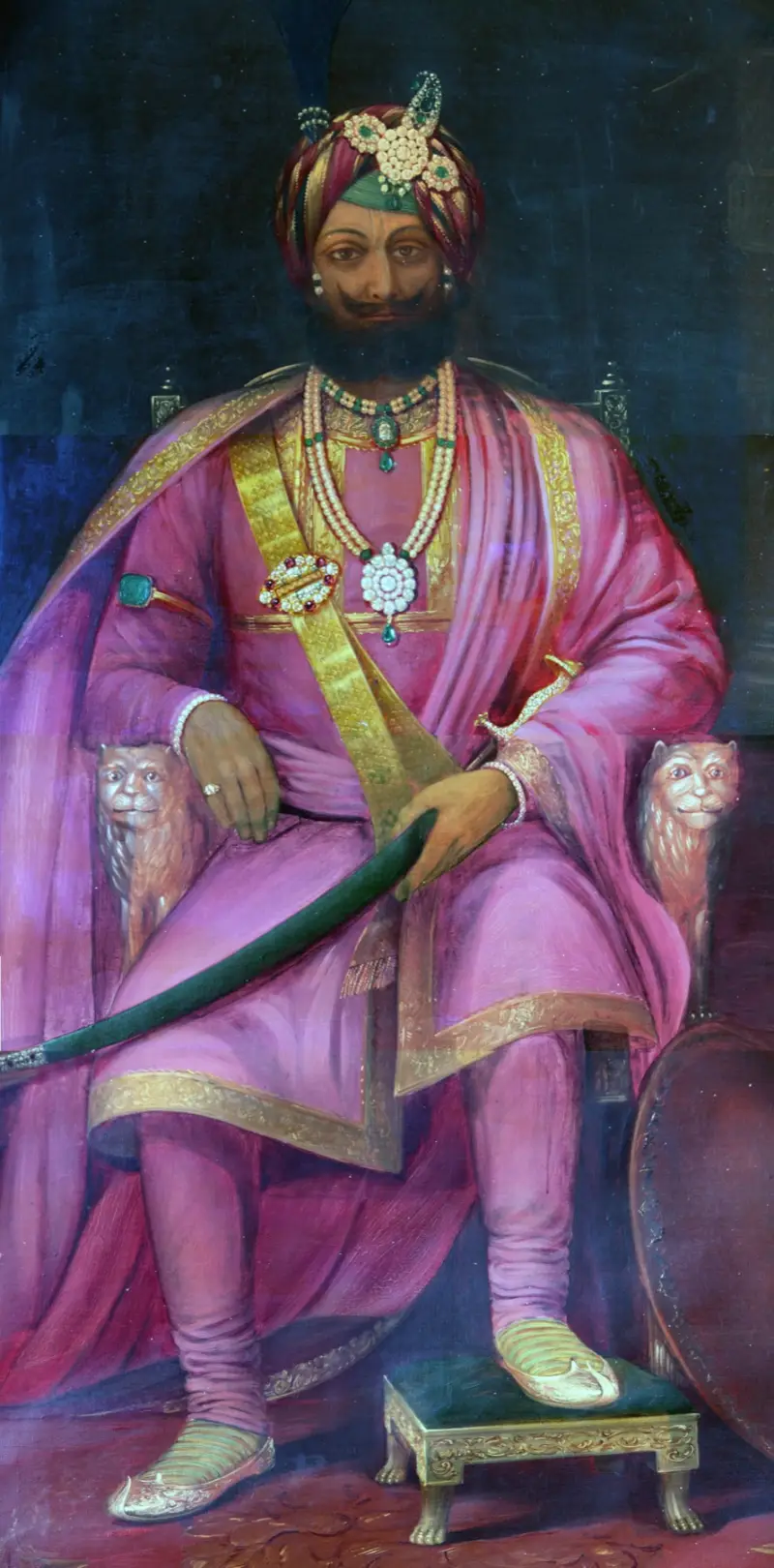 Part VII4 October 2020
Kingdom of Mountains
Dogras and the East India Company
The Treaty of Amritsar, between the East India Company and the Dogra ruler, Raja Gulab Singh on 16 March 1846 was a watershed, for it not only created the princely state of Jammu and Kashmir under the suzerainty of the British Indian Empire, it also virtually defined the southern, eastern and western boundaries of a new political creation that elevated the Dogras into being the key players controlling northern India.
-
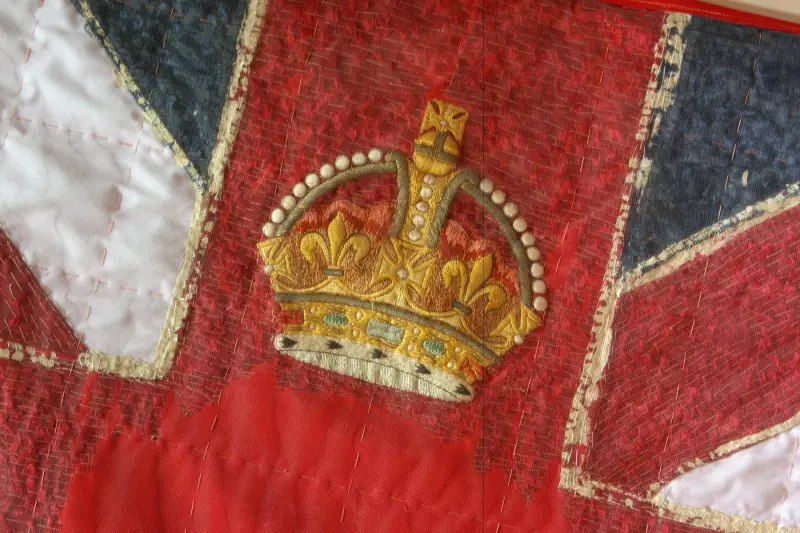 Part VIII11 October 2020
Cat and Mouse Games
The British Empire & the J&K Maharajas
I first heard of the Gulabnama, written by Kripa Ram, from Tsering Angdu’s son, Rinchen, who said a copy written in Urdu and wrapped in red makhmal (velvet), had been with the Stakjing family for more than a hundred years if not more.
-
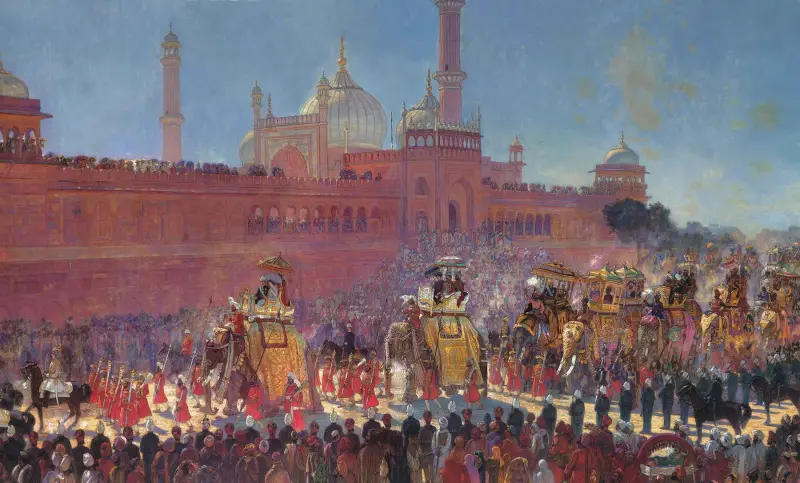 Part IX18 October 2020
A Bipolar Universe
Maharaja Hari Singh’s ‘Great Betrayal’
By the time Hari Singh ascended the throne of Jammu and Kashmir, coincidently on his thirtieth birthday on 23 September 1925, he was already marked by the British as a bit of a wild card.
-
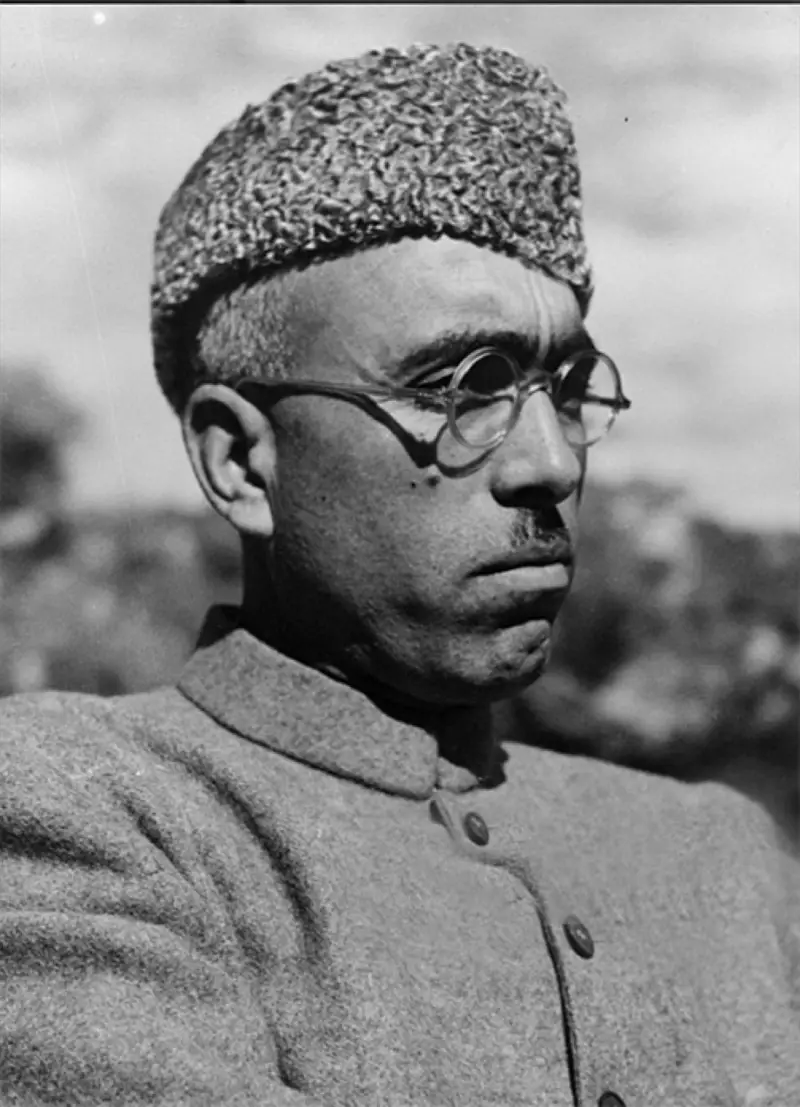 Part X25 October 2020
The Islamization of Politics
Enter the Lion of Kashmir
‘Papa’